
The Institution of Mechanical Engineers (IMechE), has just published a brief and to the point report: . The report concludes that the UK is facing an unprecedented “energy gap” in a decade’s time, with demand for electricity likely to outstrip supply by more than 40%, which could lead to black outs.
Energy is not just electricity
“The UK power generation sector is under stress. There are moves towards more electric heating, more electric vehicles and the further electrification of railways. These, combined with increases in population, mean that the demand for electricity will continue to increase.
“Electricity constitutes just 20% of UK energy use, with heat generation being twice this at around 40%, and transport fuels similarly being around 40%. This means that the UK Government’s focus on electricity generation is a relatively small part of the challenge in decarbonising the UK energy sector.”
Dr Jenifer Baxter, Head of Energy and Environment at the Institution of Mechanical Engineers, and Lead Author of the report said:
“The UK is facing an electricity supply crisis. As the UK population rises and with the greater use of electricity use in transport and heating it looks almost certain that electricity demand is going to rise.
“However with little or no focus on reducing electricity demand, the retirement of the majority of the country’s ageing nuclear fleet, recent proposals to phase out coal-fired power by 2025 and the cut in renewable energy subsidies, the UK is on course to produce even less electricity than it does at the moment.
“We cannot rely on gas alone to plug this gap, as we have neither the time, resources nor enough people with the right skills to build sufficient power plants. Electricity imports will put the UK’s electricity supply at the mercy of the markets, weather and politics of other countries, making electricity less secure and less affordable.
“Government needs to take urgent action to work with industry to create a clear pathway with timeframes and milestones for new electricity infrastructure to be built including fossil fuel plants, nuclear power, energy storage and combined heat and power. With CCS now out of the picture, new low carbon innovations must be supported over the course of the next 10 years.”
RECOMMENDATIONS:
1. The UK Infrastructure Commission should assess the necessary incentives for industry and the public to reduce the demand on the electricity system through engineering efficiencies into processes and equipment, awareness raising and advocacy.
2. The UK Infrastructure Commission must urgently implement the changes necessary across the industry and supply chain to deliver security of electricity supply with no coal-fired generation. These include, investment in research and development activities for renewables, energy storage, combined heat and power and innovation in power station design and build.
3. Collaboratively the UK Government and its delivery bodies, along with industry should review the capacity in the supply chains to deliver the construction of the ‘most likely’ new power infrastructure. This includes identifying timeframes and milestones for conventional and unconventional power generation build (fossil fuel, nuclear, energy storage, combined heat and power and off-grid options) along with growth in skills and knowledge within the UK to meet the potential increase in demand.
Read the full five page report:
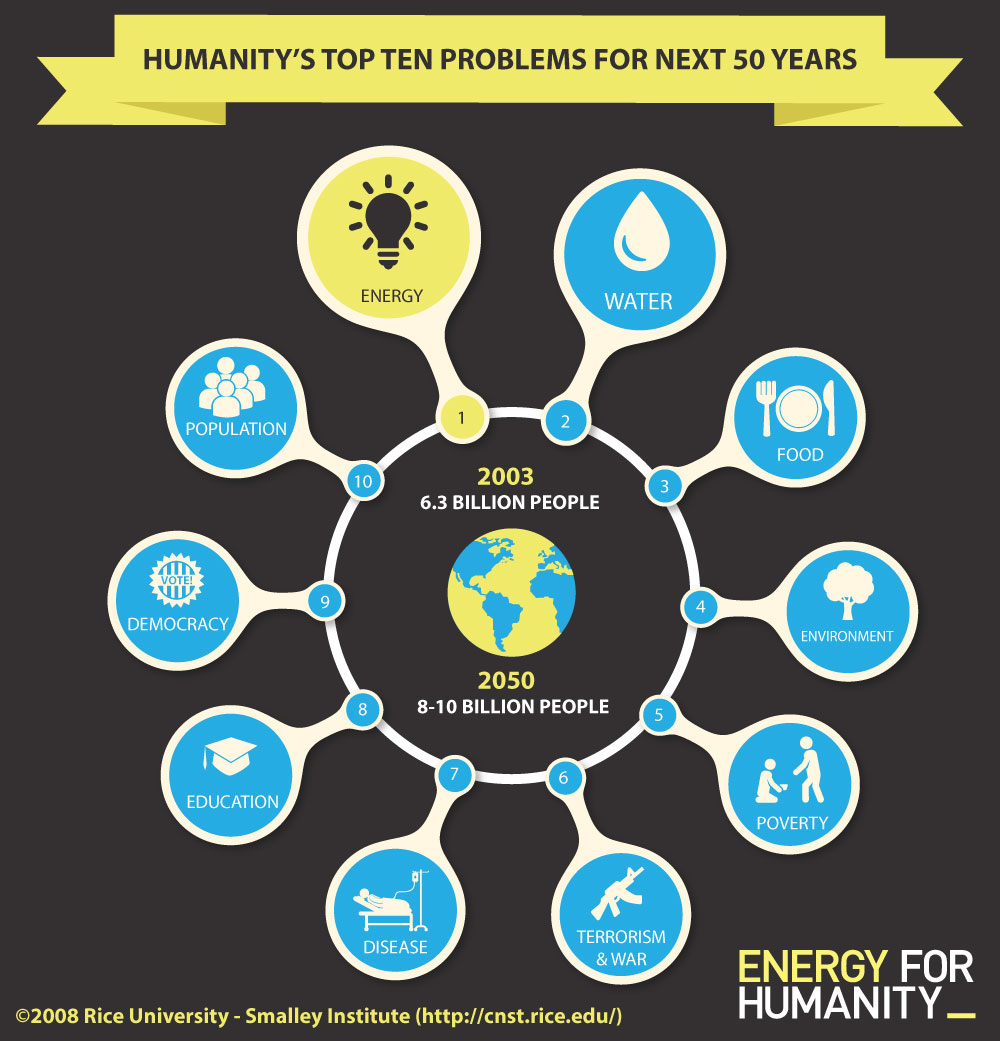
The report from IMechE comes some 12 years after this very scenario was forecast by Nobel Laureate, Professor Dr. Richard E. Smalley. In 2004 he presented a list of the top ten problems facing humanity over the next 50 years. “Energy is the single most important problem facing humanity today – not just the U.S., but also worldwide. The magnitude of this problem is incredible. Energy is the largest enterprise on Earth – by a large margin… While conservation efforts will help the worldwide energy situation, the problem by mid-century will be inadequate supply.” It would appear that the UK is, unfortunately, ahead of the game in being confronted by this challenge.
Smalley went on to say “As we peak in oil production and worry about how long natural gas will last, life must go on. Somehow we must find the basis for energy prosperity for ourselves and the rest of humanity for the 21st century. By the middle of this century we should assume we will need to at least double world energy production from its current level, with most of this coming from some clean, sustainable, CO2-free source.”
A major plank of his argument rested on the development of new technologies, not just for power generation, but for the implemetation of nano-technology in distribution networks. This technology, for which he was awarded the Nobel Prize in Chemistry, could drastically reduce the wastage of power in transmission networks.
Read his testimony to the Senate Committee on Energy and Natural Resources here