
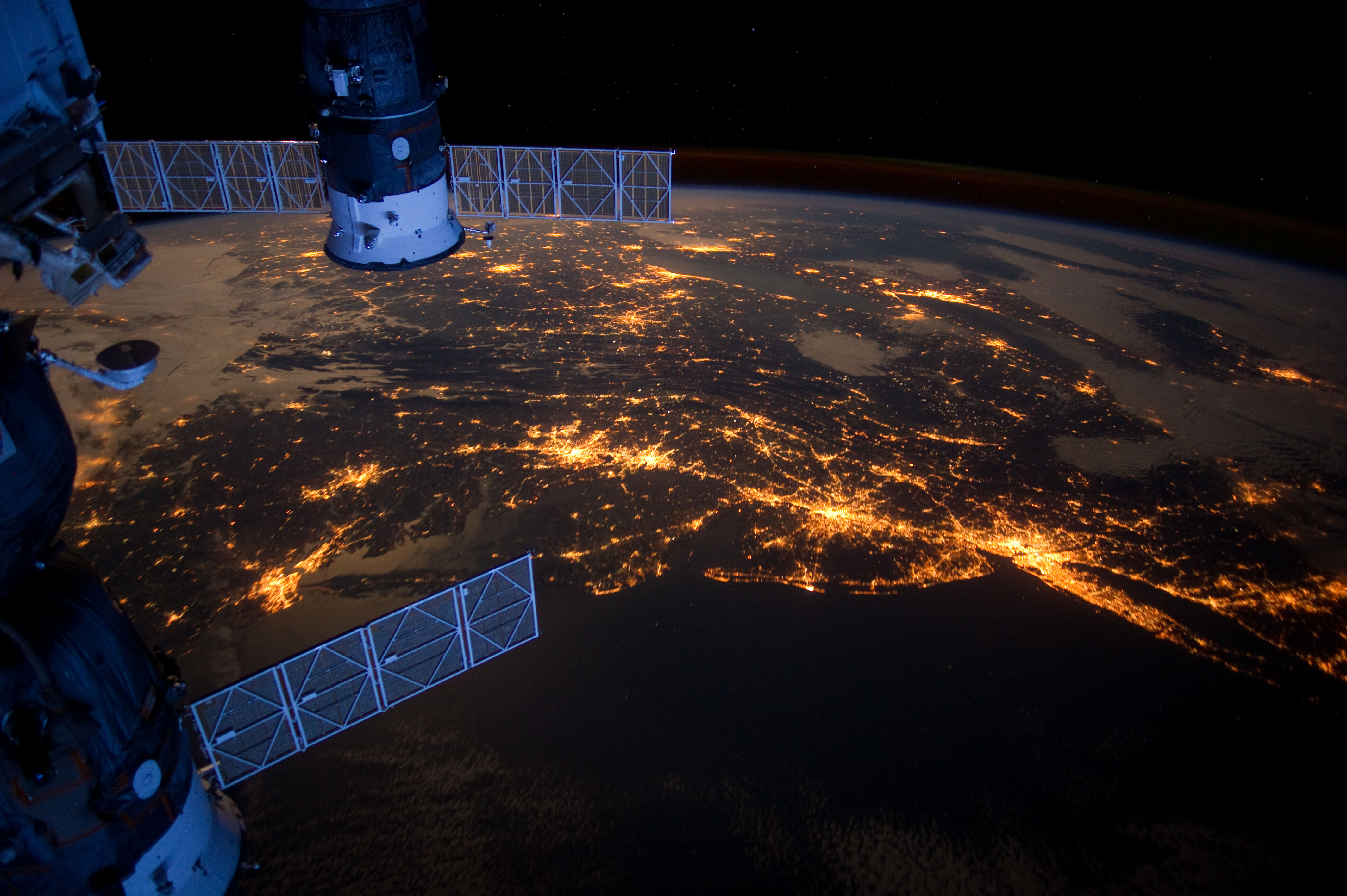
“Poetically, it’s very beautiful. The very things that were designed to blow up our cities… are now lighting up our cities.” ~ Stewart Brand
We’ve done it! Nuclear weapons are banned! The US, China and Russia have taken their arsenals off the table. France and the UK, likewise. India and Pakistan have signed the NPT. Israel has come clean. North Korea is finally letting IAEA inspectors in.
Now what?
This is still a far-off aspiration, but it is one of the absolutely laudable goals of practically every environmental activist organisation - typified by Greenpeace - as well as more specialised groups which have long campaigned against the potential of nuclear war. Quite rightly, of course, yet following the era of weapons testing opposition to the Bomb evolved into more general and intractable demands for the outright abandonment of nuclear technology. Regardless of demonstrated and potential benefits, the genie was to be put back in his lamp.
Source: CSIS
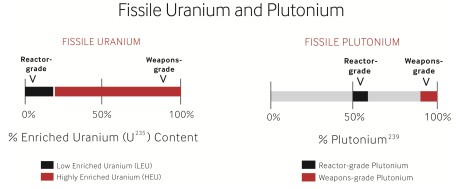
But such simplicity raises a critical dilemma. Nuclear weapons are based on either of two fissile materials: uranium-235, enriched to a high 80% or above; and plutonium-239 which must usually be upwards of 90% isotopically pure. Both have fairly long half-lives, in the tens to hundreds of thousands of years, so locking the banned warheads away, or even dismantling them entirely still leaves us with the viable active ingredients. To permanently cross them out of the risk equation, there’s no good alternative but to fission them.
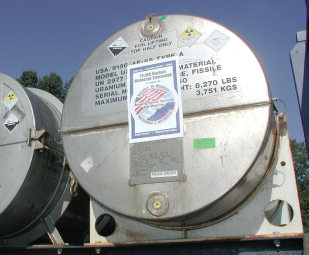
Disposing of nuclear weapon stockpiles needs civilian nuclear energy. And we know this works because after the fall of the Soviet Union MIT physicist Thomas Neff instigated the Megatons to Megawatts program, which saw twenty thousand warheads permanently dispositioned into climate-friendly electricity.
Source: NYTimes
When people hear “nuclear” and “Russia” they invariably think of Chernobyl. But perhaps Zelenogorsk, near the Gulf of Finland, where much of the surplus weapons grade highly enriched uranium was “downblended” with depleted uranium, should be more widely known. The fresh low enriched material from Zelenogorsk and similar facilities was shipped to the US, fabricated into ordinary nuclear fuel bundles, and loaded into reactors. The trillions of kilowatt hours this fuel supplied to US homes, businesses and industries was not only emissions-free, but directly contributed to nuclear disarmament.
If fracking could be adapted to economical landmine clearance, we’d all hear about it. But Megatons to Megawatts? The achievement, and the contribution of the US civilian energy industry, remains overwhelmingly unsung. The program concluded in 2013 but the lesson is undeniable. Disarmament campaigners should be nuclear energy’s biggest fans!
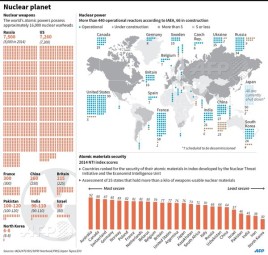
Source: AFP
Similarly, plutonium from weapons can be downblended into fuel. The technology - mixed oxide or MOX - is proven in countries like France and Japan and has been used for decades to recycled civilian fuel. As with uranium, the time spent inside reactors further removes the proliferation risk from plutonium in MOX in every practical way.
And this is before fast reactors come online. One of the UK’s options for disposal of its own cold war plutonium is the PRISM fast reactor, an inherently safe, liquid sodium-cooled design. A pair of these small modular units could be built right on the storage site, and without any transport required the plutonium would be practically all the fuel they would need for thirty years.
Abandoning commercial nuclear energy turns out to probably be the worst thing we could do to deal with nuclear weapons, especially when we consider the volume of material that now exists. With historically restrained global conflict, the threat of radioactive warfare has been eclipsed by climate change concerns. Perhaps decisive steps towards disarmament will one day soon provide more than just global safety from major war - but also abundant fuel for the world’s energy needs.