BBC Radio 4’s Today programme, 11 March 2026
Interviewer, John Humphrys
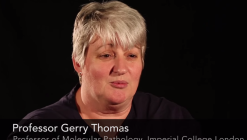
Guest: Professor Gerry Thomas, Imperial College London
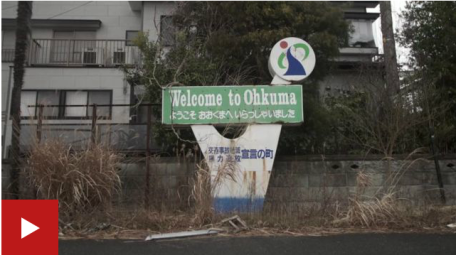
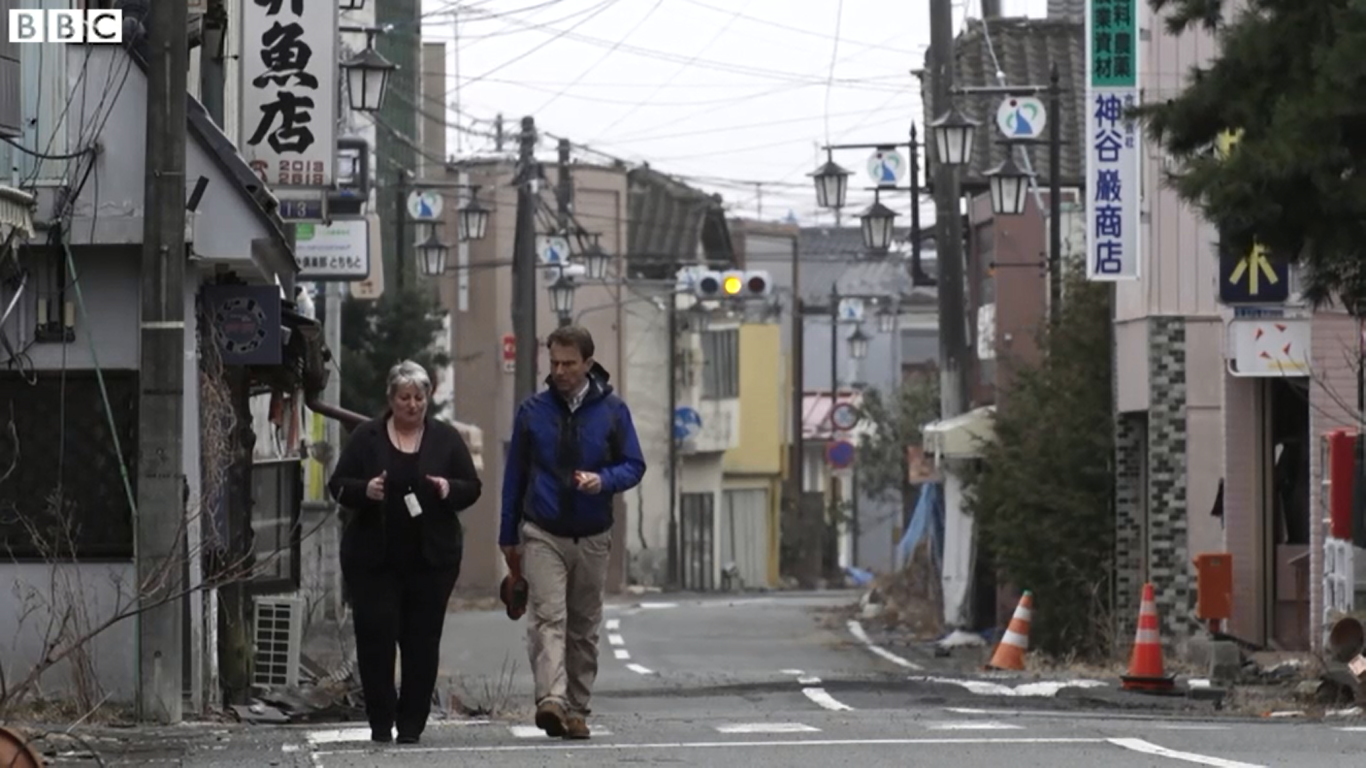
John Humphrys (JH): It is five years to the day since a giant earthquake and tsunami hit north east Japan. It left more than 18,000 people dead. It crippled the nuclear power plant at Fukushima, raising fears of many more people dying from radiation sickness. People living in the area were forced to abandon their homes because of it and have not been able to return to them for fear of contamination.
Now, one of the world leading authorities on the effects of radiation on the human body has said there was no need for that. She is Professor Gerry Thomas of Imperial College London and she says the world has hugely overestimated the danger of radiation leaks from nuclear power stations. I have been talking to her.
Gerry Thomas (GT): It’s a common misconception that nuclear accidents from power stations cause high amounts of dose of radiation doses to individuals but in actual fact they are a lot lower than people think. And people tend to equate nuclear power plants with the atomic bomb and the two are very different things.
JH: In what sense?
GT: Well in the sense that the radiation is different. From an atomic bomb explosion you get a lot of gamma radiation produced and from a nuclear accident like Chernobyl or Fukushima you get mainly isotopic radiation, so caesium-137 predominantly and iodine-131, which is quite different. These are beta emitters that you need to actually take into your body for them to have any effect on your health.
JH: So why are we so scared of radiation from nuclear power stations?
GT: I think it is simply because we equate it with what we understand of the atomic bombs. Particularly my generation, we were brought up to believe that the next atomic weapon that went off woud probably finish our species on the planet and we seem to have confused the two in our minds and therefore find it very difficult to move on from there. And I think also we didn’t really know the effects of nuclear power accidents until we’ve had sufficient time after they’ve happened to really look at the results and we’re there now with Chernobyl, we’re 30 years past the accident, it’s the 30th anniversary this year. And so we’ve got adequate amounts of data to look at and say, ‘it’s not that same as an atomic weapon and we can now prove that.’
JH: And is there an argument in that case if it is as - I was going to use the word benign - as you’re suggesting, but let me be quite clear about this: You’re not saying there is no danger in this radiation, you’re saying there is such a small amount of it that we should re-appraise the whole thing.
GT: Yeah, absolutely. It’s impossible to say there’s no risk. There’s actually no [sic] risk to virtually anything we do in life. You know, flying in a plane has a risk associated with it - it also has a radiation dose associated with it, believe it or not. So in actual fact the doses that were around Fukushima have been calculated to be around 1 milliSeivert to 95% of the population - that’s a tenth of a CT scan, that’s all.
JH: So they massively over-panicked at Fukushima?
GT: I think ‘over-panicked’ might be a bit of a wrong way to describe it. I think anybody in that situation would have done exactly what happened post-Fukushima. But with hindsight we can look back and say: do you know what, we overestimated the damage we were doing by staying there and actually it would have been far better to treat this as if it was like a chemical toxin. And what are we told then: Stay indoors, your windows and doors shut, and we’ll come and get you when it’s safe - if we need to evacuate you. And it gives you time to appraise what the doses would be, what the releases would be, and time to put a proper plan in place.
JH: Right, a final thought: Are we therefore, spending - wasting - money on over-protecting ourselves when we build a new nuclear power station, such as, for instance, Hinkley Point?
GT: I think, you know, we are in danger of doing that. I’m not an engineer so I’m not best placed to answer that question, but if you just look at the facts, the number of people who are killed by pollutants from coal power stations and the number of illnesses we create from coal power stations is much, much higher than the number people who have been injured in the Chernobyl accident. Nobody died from Fukushima but there’s been a lot of anxiety created around it. So if you balance those, actually going back to coal and fossil fuels is going to (a) cause more pollution in the environment which we know does have a bad effect on our health and (b) will also have effects on climate change. Nuclear is carbon-low and we have those plants for a very long time. It’s secure, and when you balance it all up, and that’s what we need to be thinking of, getting the balance right, actually nuclear is not as ban an option as we think and maybe we should be looking at, are we trying to be too safe? You can’t reduce risk to nothing, it’s just impossible to do that.
JH: And will there, as we speak, will there be people out there, experts like yourself, sitting over their cornflakes saying, ‘She’s mad - it’s much more dangerous than she’s saying’?
GT: There will certainly be some people who are saying I’m mad, but I think that the balance of scientific opinion is now coming down on - look what we’ve done, assess what the real health consequences have been of these accidents and put things into perspective with other risks in our lives and most of the scientific community is actually sitting there saying, we have to take notice of what’s happened, we have to re-appraise because in two or three generations they might look back as say we are completely mad because we’ve been over-cautious.
JH: Professor Gerry Thomas, thank you very much indeed.